
TL;DR
- Content promotion drives visibility and traffic.
- Use email newsletters, push notifications, and social media to reach your existing audience first.
- Improve discoverability with SEO optimisation and quality backlinks.
- Expand reach through communities (Reddit, Quora), influencer outreach, and partnerships.
- Repurpose content into videos, carousels, threads, or infographics to multiply reach.
- Track performance and double down on the channels that work best.
The internet is a crowded place. While your content might be amazing, without a solid content promotion strategy, it would be just another piece of content waiting to be discovered.
Most companies fail at content marketing because they think that once the content is published or posted on social media, they just have to wait for traffic to roll in.
Heads up: This won’t happen unless you are incredibly lucky.
So you need to consider promoting your content from the day it’s published until it finds its right audience. In fact, a common rule of thumb in content marketing is the 80/20 rule: spend 20% of your time creating content and 80% promoting it.
In this post, we’ll walk you through 14 proven ways to promote your content in 2026 with strategies that work across channels, content types, and budgets.
Let’s dive in!
What Is Content Promotion?
Content promotion is essentially the process of getting your blog posts, articles, videos, or any other content in front of the right people to increase visibility, drive traffic, and build a wider audience.
However, promoting content takes more than just shouting down your new post from a rooftop. It’s a strategic, multi-step process that involves using various channels and techniques to ensure your blog reaches its intended audience where they already are.
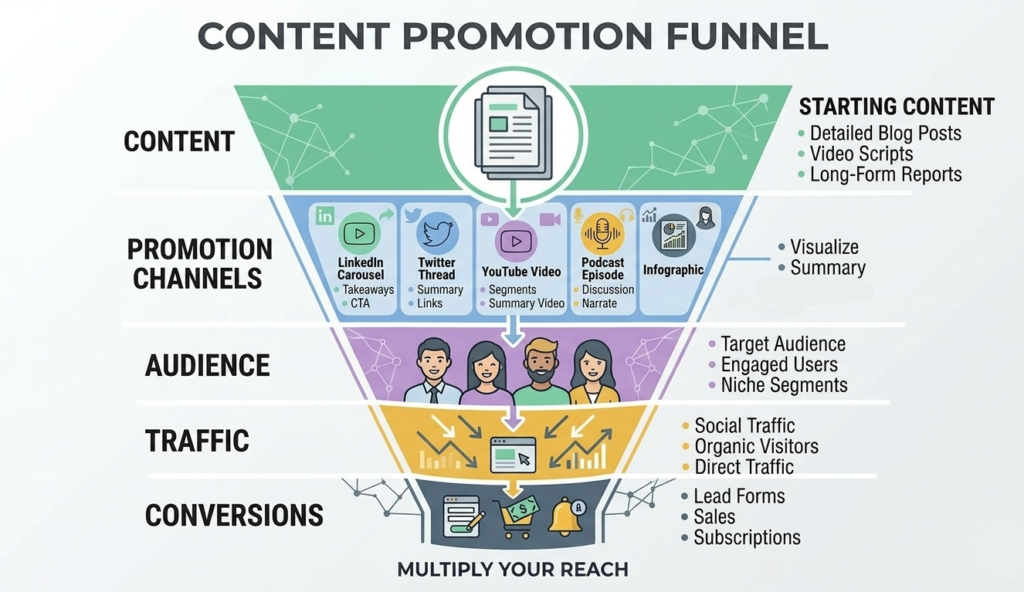
To put things in perspective, here are the five core components of content promotion:
- Planning and strategy:
Effective content promotion begins with establishing expectations and developing a blueprint for accomplishing them. Having a promotion checklist ready before publishing day saves time and drives faster results.
- Sharing your post:
This is where the promotion proper begins. You spread the word using the techniques in your master plan. You touch on places like Facebook, X (Twitter), Instagram, and LinkedIn, or reach out to your existing followers and potentially new readers through email, communities, and partnerships.
- Engaging with your audience:
Just like a host interacts with party guests, you should respond to comments, answer questions, and engage with your audience’s feedback. This not only builds a sense of community but also shows that you value your readers.
- Networking and collaboration:
Here, you take a less direct approach to promote your content, focusing on offering value and building rapport first. You can collaborate with other bloggers, influencers, or websites to promote each other’s content. This is a long game, but a high-value one.
- Monitoring and analysis:
It’s crucial to track your performance when promoting content. Analysing your performance helps you understand what’s working and what needs improvement.
From our experience at Justwords, the single biggest mistake we see clients make is treating promotion as an afterthought. The most successful content campaigns we’ve run had a promotion plan built before the content was even written, including the communities it would be shared in, the influencers it would be sent to, and the email angle it would use.
Why Should You Promote Your Content?
Now, you might be wondering, “If my content is good enough, won’t people find it?”
Rarely. At least not at the beginning. Yes, great content is essential, but it could end up sitting like a needle in a haystack, waiting for eternity to be discovered.
Here’s why content promotion is critical to your marketing goals:
- Increase visibility and attract more readers:
Promoting your content is like putting up a lighthouse on your island, guiding ships (readers) to your shore. It helps you reach a wider audience, increasing your content’s visibility. This ensures you don’t miss out on new readers who might not have found you otherwise.
- Improve SEO:
When you promote content, you’re also sharing and backlinking it across the web. Search engines love this because it’s like leaving them a trail of breadcrumbs that lead directly to the proof they need to validate your content. The result is a boost in your ranking, making it easier for readers to find you.
- Increase engagement:
Interacting with your readers boosts engagement and builds a loyal following. Sharing and promoting your articles on platforms like Facebook, Twitter, and Instagram encourages likes, shares, and comments. This further fuels your content’s success.
- Build authority and credibility:
When you consistently promote your content, you establish yourself as an authoritative source in your niche. People are more likely to trust and revisit a website that’s well promoted and consistently delivers high-quality content. Over time, this also directly supports Google’s EEAT criteria (Experience, Expertise, Authoritativeness, Trustworthiness), which affects how your content ranks.
- Secure long-term growth:
In the grand scheme of things, creating content is a journey, not the destination. One well-promoted piece of content can generate traffic for months or even years. With each step, you’re building a strong foundation for long-term growth and success in your niche.
- Get cited on AI-generated answers:
In 2026, this is a big reason. Content promotion signals to AI-powered tools like Google AI Overviews and ChatGPT that your content is widely referenced and trusted. The more your content is linked to, discussed, and shared, the more likely it is to be surfaced in AI-generated answers.
Also Read : Google AI Mode Search Explained for Content and SEO Strategy
14 Proven Ways to Promote Content
1. Send an Email Broadcast/Newsletter
Your email list is your most valuable promotion channel – bar none. It has people who have willingly opted to receive your updates.
Campaign Monitor says that you’re 6 times more likely to get a click from an email campaign than a tweet. The recipients of the email are an engaged lot, and they are more likely to read and share your content than a cold social media audience.
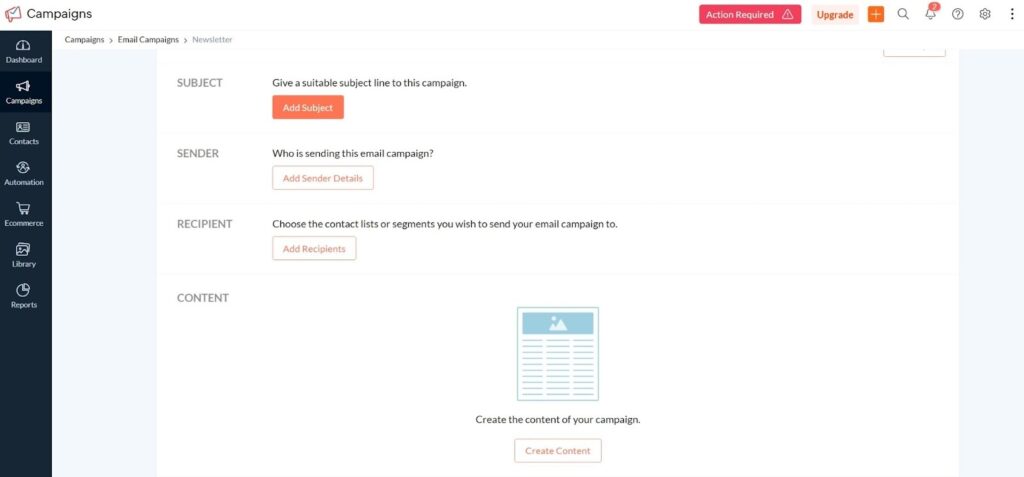
Best practices for 2026:
- Write a subject line that creates curiosity, not just a description (“We just published X” rarely gets opened).
- Keep the email copy short. Tease the content; don’t summarise it all. Give them a reason to click.
- Include one clear CTA button pointing directly to the post.
- Segment your list where possible. Send content to the subscribers most likely to find it relevant.
Pro Tip: Follow up within five days after your first email. Check your analytics and make a list of people who didn’t open your email. Resend the email to this group with a different subject line. This single tactic can increase total opens by 20–30% with no extra content required.
2. Setup Push Notifications
Website push notifications help you stay in touch with your website visitors after they leave your website. When someone opts in, you can send them a notification directly to their browser or mobile device whenever you publish new content. No email address required.
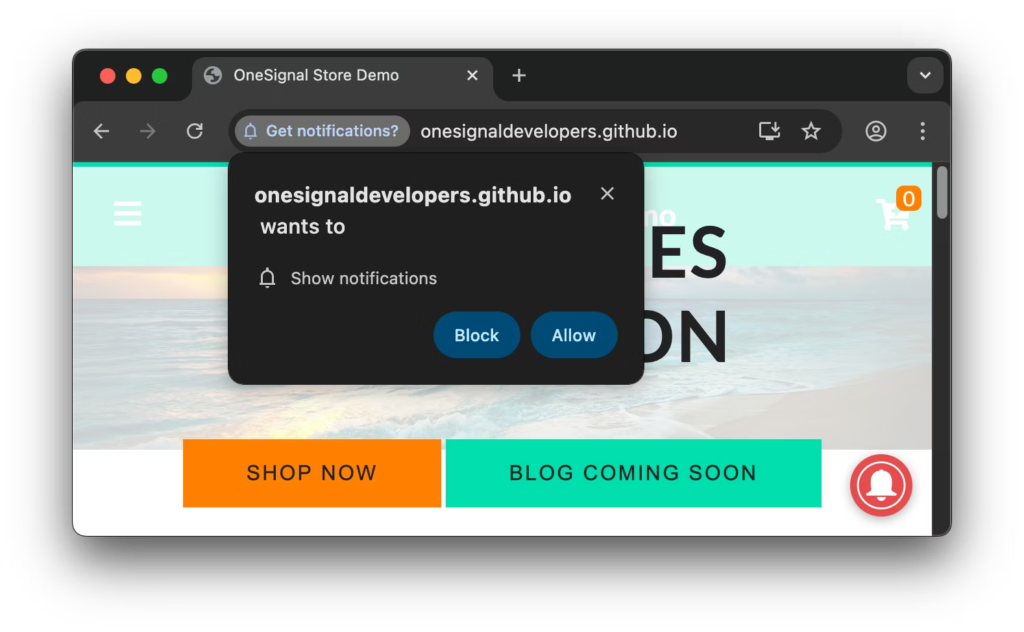
Tools like PushEngage or OneSignal make setup straightforward. Result: higher return traffic, more consistent readership, and another touchpoint for your content.
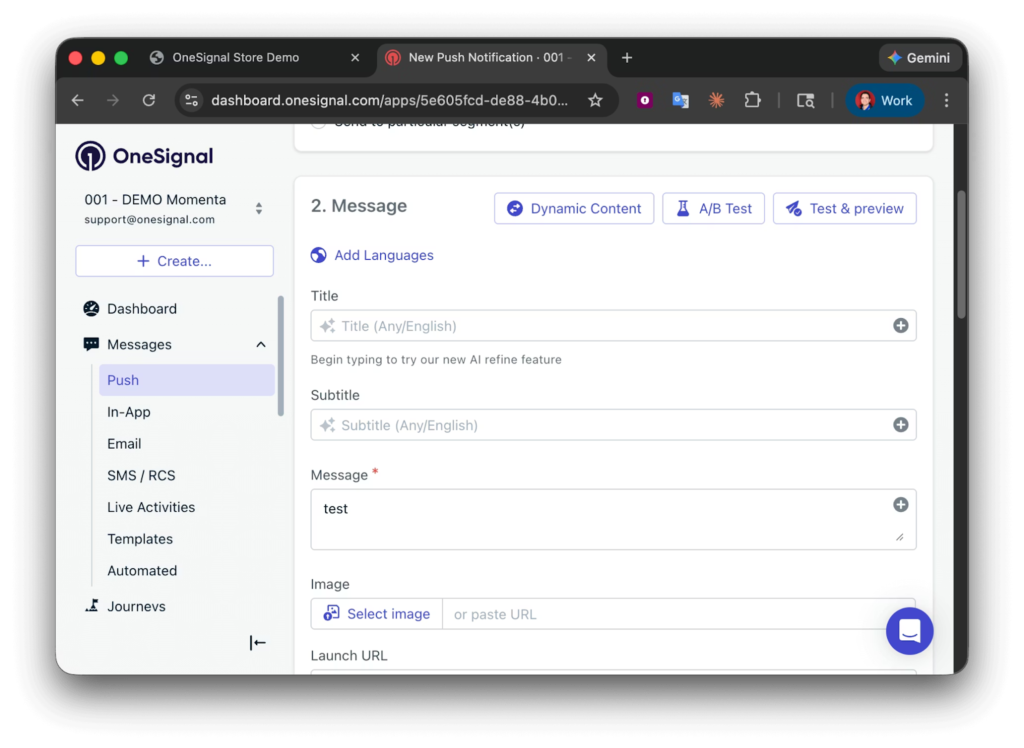
Push notifications work especially well for blogs and content sites with regular publishing schedules. Subscribers get an instant nudge every time new content goes live.
3. Promote Content on Social Media – the Right Way
Social media is the most visible content promotion channel, but most people do it wrong. Posting a link once and moving on is not a strategy. Here’s how to do it properly:
Post at the right time
Facebook, LinkedIn, Instagram, and X (formerly Twitter) all have some built-in analytics. Before you publish your content, find out the time and day your audience is likely to be most active. You can use various social media management tools like Hootsuite or Sprout Social to get this information. And then use this information to your advantage by posting your content at the right time on the right day.
Join relevant social media groups and communities
There are social media groups such as LinkedIn and Facebook groups, as well as niche communities on platforms like Reddit, Slack or Discord. These communities have highly engaged members who are already interested in your topic. These groups can generate significant referral traffic when you share relevant content thoughtfully.
Pro Tip: Don’t immediately post links to promote your content. The moderators will consider it spam and block you. Instead, spend some time answering questions, joining discussions, and gradually building your reputation. Share your website link wherever appropriate.
Join content sharing networks
Increase your social media reach by building content promotion networks through platforms such as Viral Content Bee. Such platforms connect you with other people like you who want to promote their content. You can share their posts and receive credits that can be used to promote your posts. Another tool is Quuu, which automatically curates content to be shared. All you have to do is sign in and select the relevant category. Your posts then become part of the content queue.
Use relevant hashtags
Using hashtags is a sure way to get new eyeballs on your social media content. However, you need to make sure you don’t overdo it. Only use hashtags that are relevant to your industry. Two to five well-chosen hashtags outperform a wall of tags. Quality and relevance matter far more than volume.
Use engaging images and videos
Today’s users gravitate towards visual content. A visually consistent social media feed is the way to connect to these users. Captivate your audience by incorporating images and videos in your content. Create a short video teaser, pull a key quote as a graphic, or design a shareable infographic from your post’s key data.
Pro Tip: Use websites like Unsplash or Pexels to get free high-resolution stock images. Also, make sure your images are shareworthy. People will be happy to share an image that deeply resonates and is readily shareable. This adds more steam to your promotion campaign.
Promote the same content multiple times
A single post lives in feeds for minutes. Promote the same piece several times over weeks, using different angles: a key stat one day, a counterintuitive insight another, a reader question the next.
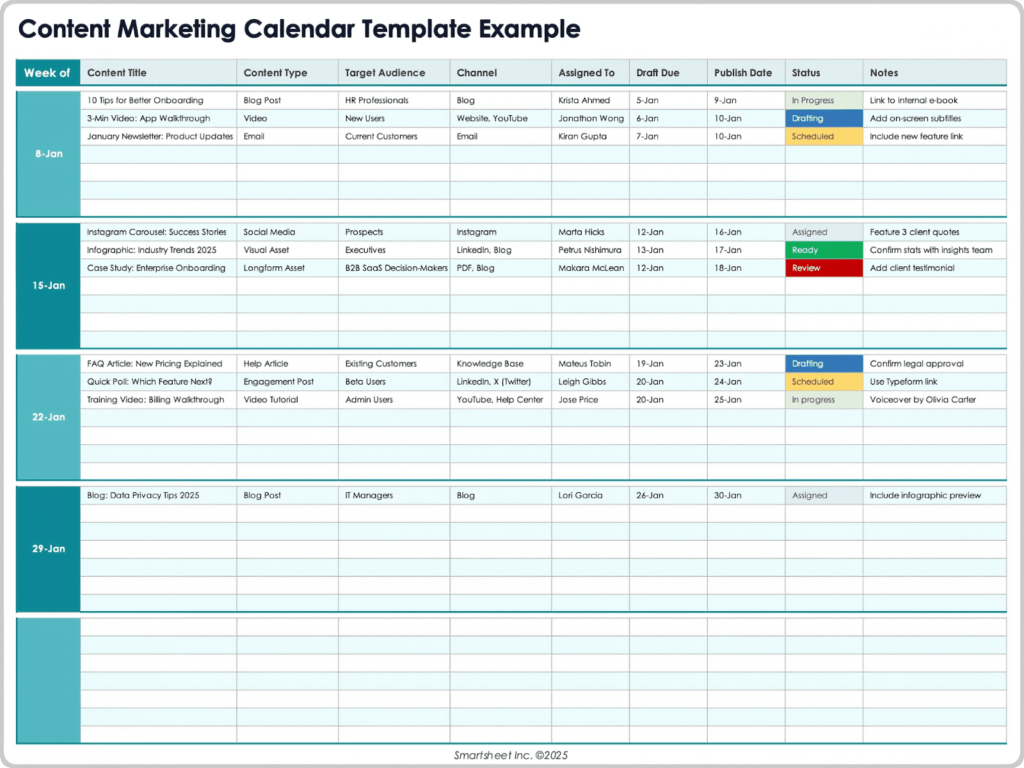
Pro Tip: Build a simple content promotion calendar. Map out every piece of content and plan 3–5 different social posts for each, varying format, angle, and platform. This alone will multiply your content’s reach without any additional writing.
Also Read : Social Media Tools: The 5 Types to Help You Become a Better Marketer
4. Use Tools to Automate Social Sharing
It’s not enough to build a social media following on major platforms and niche ones. You need to regularly post content on these platforms to keep your profiles active and drive traffic to your blog. Sharing content manually is a time-consuming process. Free and low-cost tools can automate much of this work:
- Buffer/Hootsuite: Schedule posts across multiple platforms in advance
- IFTTT: Set up automated rules that cross-post content between platforms
- Missinglettr: Automatically creates a year-long social campaign from a single blog post
- Quuu: Connects you with a network of users who share content in relevant categories, extending your reach organically.
5. Paid Promotion Through Ads
Organic reach is declining across almost every social platform. Paid promotion fills that gap. And when done on content that already performs well organically, the ROI can be strong.
Paid content promotion works best when you’re boosting proven content (not experimenting with paid on untested pieces). Use paid to amplify articles that have already shown engagement, generated backlinks, or rank on the second page of Google and need a push to page one.
These advertising platforms target a highly specific audience. The result is qualified traffic and leads that eventually help you grow your customer base and your business.
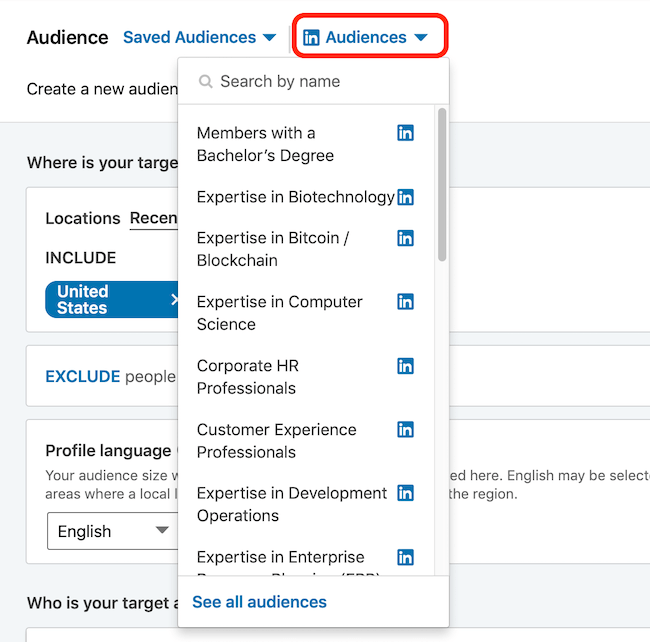
Platforms to consider:
- Facebook / Instagram Ads: Excellent for B2C content; strong demographic and interest targeting.
- LinkedIn Ads: Best for B2B content; expensive but highly qualified audiences.
- Google Discovery Ads: Reaches users across Google’s properties like YouTube, Gmail, and the Discover feed as they browse.
- Reddit Ads: Underused and underpriced; excellent for niche technical content.
- YouTube pre-roll: Effective for video content promotion.
- X Ads: Works well for tech, SaaS, and thought-leadership content, especially when paired with engaging threads.
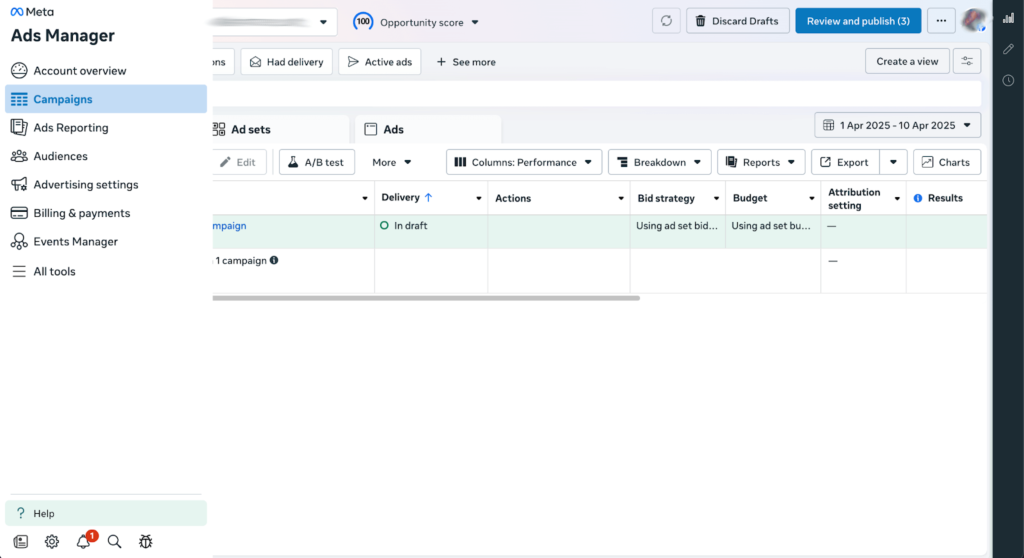
Pro Tip: Set a clear budget before you start and define your success metric (traffic? email sign-ups? time on page?). Without a defined goal, paid promotion budgets disappear fast with nothing measurable to show for it.
Also Read : How to Create High-Converting Facebook Ads?
6. Optimise for SEO
We spoke earlier about how content promotion enhances SEO. Well, turns out it works the other way around, too. SEO can be a massive avenue for content promotion.
When your content ranks well, it’s more likely to be discovered by people searching for relevant information or topics.
Here’s a quick guide to help you promote content online using SEO:
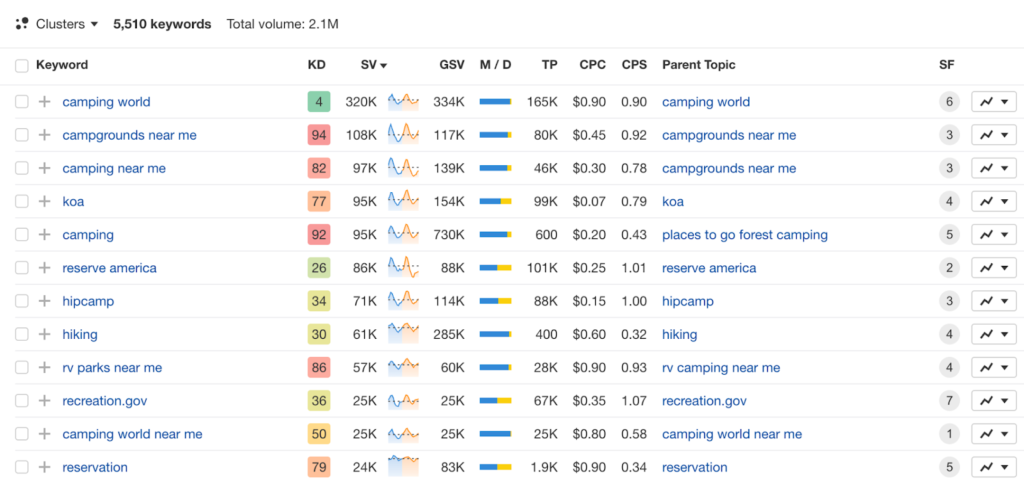
- Keyword research first:
Keyword research should be the foundation of your post. Build your post around topics people are actively searching for. Just like you can’t build on a broken foundation, you might have a hard time getting a post off the ground if there’s no search demand.
- Keyword placement:
Where you place your keywords also matters a lot. You need to place them where they can be quickly found by readers and search engines. That includes your article’s title, headings, subheadings, meta descriptions, image alt text, and throughout the body of your content naturally.
- E-E-A-T signals:
High-quality, authoritative, and engaging content that demonstrates first-hand experience not only attracts readers but also keeps them on your page longer – a strong ranking signal. Add author bios, cite original research, and include real-world examples wherever possible.
- Internal linking:
Link new content to relevant existing posts on your site, and update older posts to link to new ones. Internal links distribute authority across your site and help Google understand your content hierarchy.
- External links:
Citing credible, authoritative sources in your content signals to Google that you’ve done the research. And it creates a natural reason to reach out to those sources for promotion (more on this below).
7. Build and Earn Quality Backlinks
Backlinks are one of the most important factors that influence Google’s rankings algorithm. A single high-quality backlink from an authoritative site can move your content further up the rankings than dozens of low-quality links. But getting backlinks from reputable websites and blogs is not easy, even for experienced bloggers.
Practical ways to earn backlinks:
- Guest posting:
Write content for reputable sites in your niche in exchange for a link back to your site. Target sites with a strong domain authority and an engaged readership that overlaps with yours.
- Skyscraper technique (popularised by Brian Dean):
Find top-ranking content in your niche, create something measurably better (more comprehensive, more current, better examples), and reach out to sites linking to the original piece.
- Publish original research or data:
Original stats and studies are among the most-linked content types. If you can survey your audience or compile original data, other writers will cite you for years.
- Journalist outreach:
Platforms like Qwoted and SourceBottle connect journalists with expert sources. If a journalist includes your insights in an article, you can earn a high-authority backlink, increase brand visibility, and drive referral traffic to your site.
- Link reclamation:
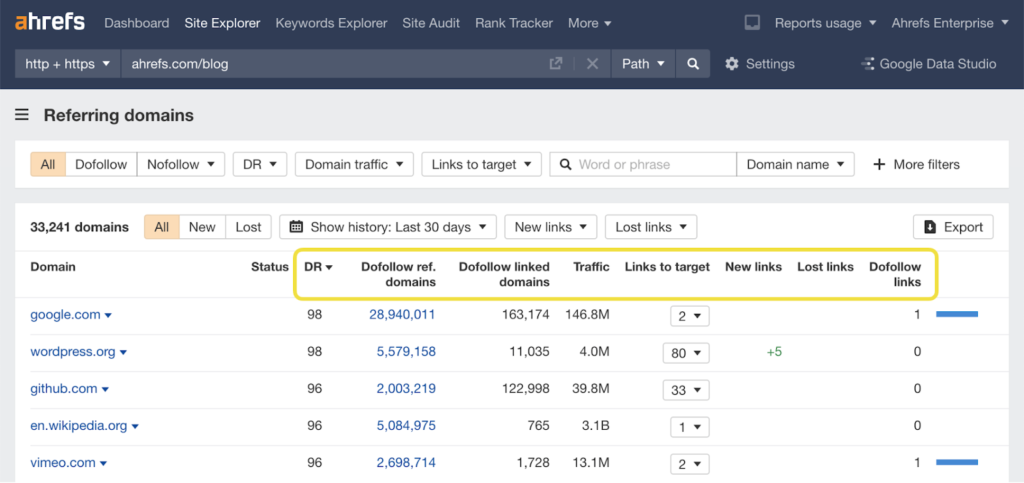
Use tools like Ahrefs or Semrush to find sites that mention your brand but don’t link to you. A simple outreach email asking them to add the link converts at a surprisingly high rate.
- Competitor backlink analysis (my favourite):
Use tools like Ahrefs or Semrush to identify websites linking to your competitors. Export their backlink list. These sites have already shown interest in content like yours, making them strong prospects for outreach.
- Collaborate with industry experts:
Publishing interviews, expert roundups, or collaborative articles with influencers and industry leaders can naturally generate backlinks. Contributors often share the content with their audience, increasing visibility and link opportunities.
- Influencer and publisher outreach:
If your content references influencers, tools, or research from reputable blogs, let them know. A short message highlighting how their work was featured can encourage them to share or link to your article.
From our experience, competitor backlink analysis is one of the highest-leverage link-building activities we use for clients. Identify which sites link to your top competitors but not to you. These are pre-qualified prospects who’ve already shown willingness to link to content like yours.
8. Engage Actively With Your Audience
Promotion is not a one-way broadcast. The blogs and brands that build the most loyal audiences are the ones that show up in the comments, respond to questions, acknowledge criticism, and participate in discussions.
Think of your content as opening a conversation. Comments, likes, retweets – these are the spices that add flavour to your content promotion. Every comment is a chance to deepen that conversation, demonstrate expertise, and give readers a reason to come back.
Where to engage:
- Your own blog comments section
- Social media posts and replies
- LinkedIn posts and articles
- Reddit threads relevant to your content’s topic
- Industry forums and Slack communities
Reply promptly, add value in your responses (don’t just say “thanks!”), and encourage further discussion. High engagement signals to social algorithms and search engines alike that your content is valuable and worth surfacing.
9. Use Pinterest as a Long-Tail Traffic Channel
Pinterest is often overlooked by B2B and content marketers. And that’s exactly why it’s an opportunity. Pinterest is a search engine as much as it is a social platform, and pins have a much longer shelf life than posts on any other social channel. A well-optimised pin can drive traffic months or years after it’s first published.
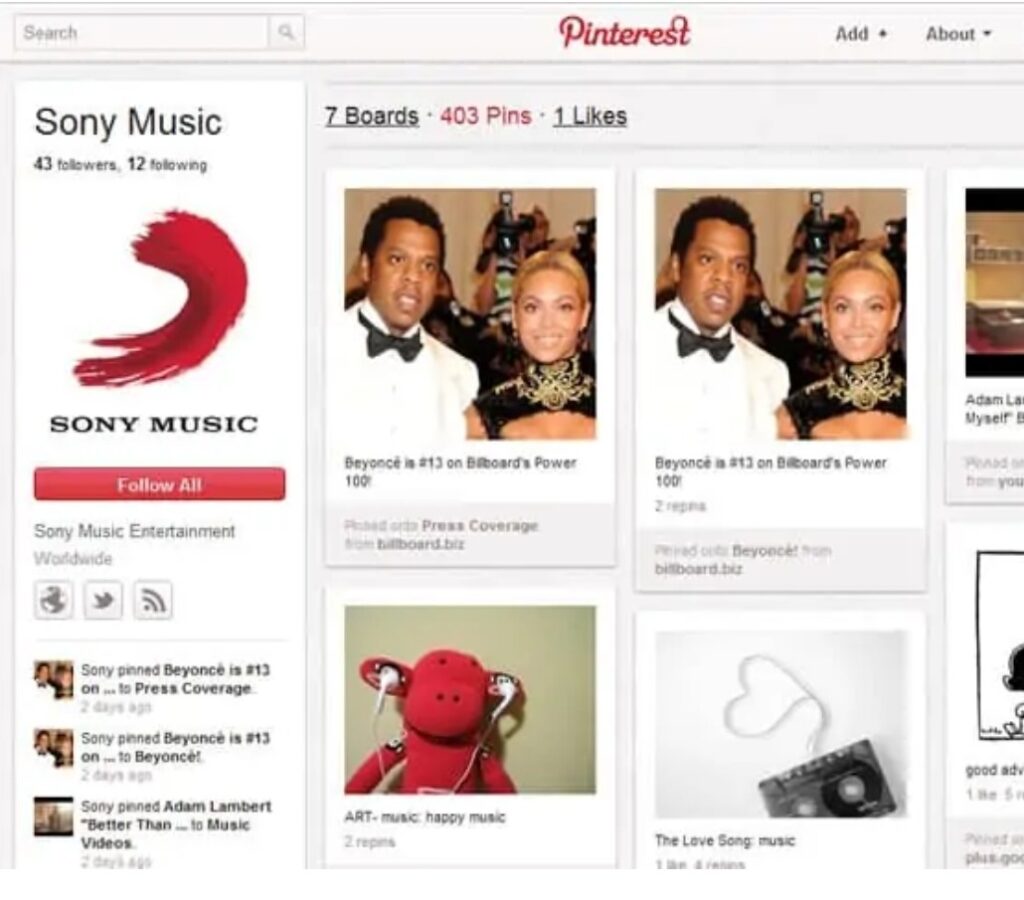
According to Julia McCoy of Content Marketing Institute, using Pinterest to promote your content is a great strategy. However, she recommends a few tips to make Pinterest work for content promotion:
- Set up a business account (unlocks analytics and rich pins)
- Keep a short username. Complete your bio, and ensure that you include keywords.
- Write keyword-rich descriptions for every pin. This is how Pinterest’s search surfaces your content.
- Create visually distinct, vertical images for every major blog post you want to promote.
- Add a “Pin it” (now called “Save”) button to your blog images so readers can pin content directly.
- Organise your boards by topic to make your profile easy to navigate.
Pinterest works best for content in niches like marketing, design, food, lifestyle, health, home, and education but it’s increasingly useful across categories.
Pro Tip: Pinterest now heavily prioritises native video content and multi-page “Idea Pins.” If you are promoting a blog post, creating a 15-second “teaser” video pin can often get 5x the reach of a static image.
10. Answer Questions on Quora and Reddit
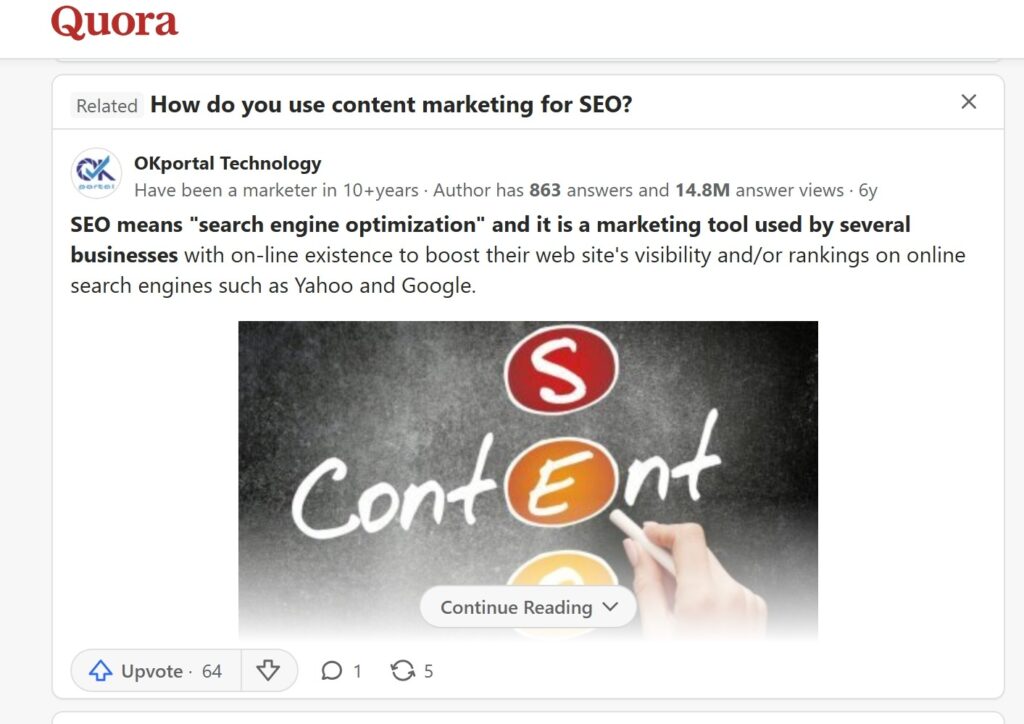
Quora and Reddit are two of the highest-traffic Q&A and community platforms on the web. And they’re goldmines for long-term, evergreen content promotion.
When you post a detailed, genuinely helpful answer to a relevant question and include a contextual link to your content, that answer continues driving traffic for months, even years. Unlike social media posts that disappear in hours, Quora answers and Reddit threads rank in Google search results and remain discoverable indefinitely.
How to do it right:
- Search for questions that your content directly answers.
- Write a thorough, standalone answer. Don’t just post a link.
- Include your link naturally at the end, framed as “I wrote more about this here” rather than as a promotional link.
- Build a presence first before linking. Accounts with no history and only outbound links get flagged as spam.
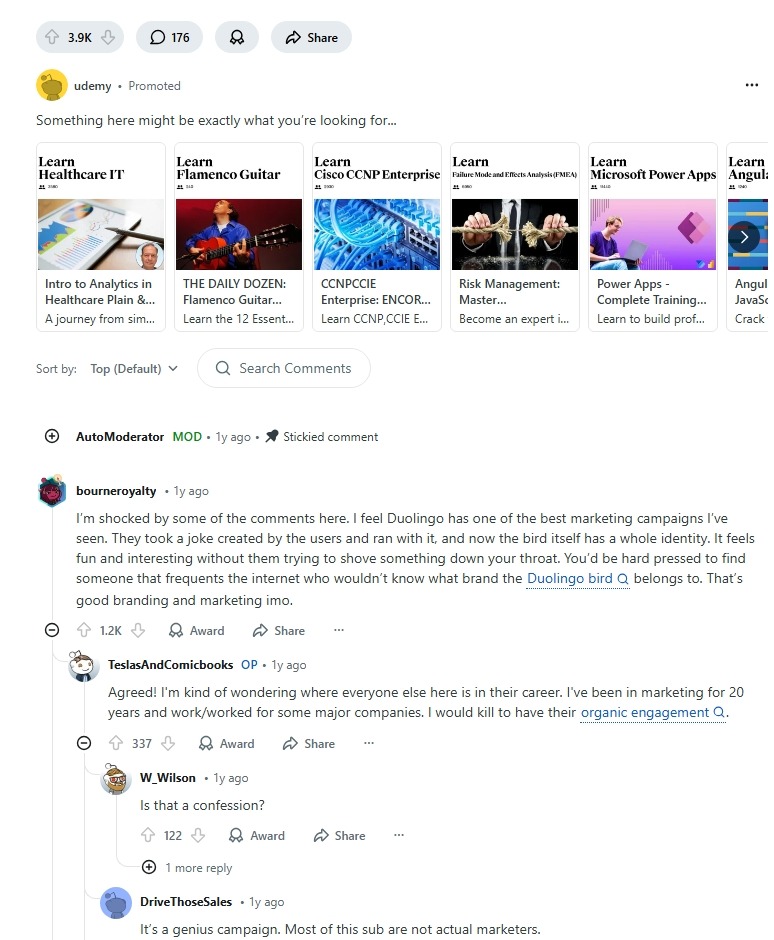
Pro Tip: On Reddit especially, spend time in a subreddit reading, upvoting, and commenting before you ever post a link. Community members have a finely tuned radar for self-promotion. Genuine participation first, promotion second. Always.
Also Read : Need Help With Quora Marketing? 12 Best Tips
11. Reach Out to Influencers and Thought Leaders
Influencer marketing is one of the hottest strategies today. However, influencer outreach doesn’t have to mean expensive partnerships with people who have millions of followers. In content promotion, micro-influencers and respected voices in your niche (people with engaged, trust-based audiences of 5,000 to 50,000) often deliver better results than macro-influencers.
The key is relationship-first thinking. If you’ve mentioned an influencer in your content, cited their work, or shared their posts, you have a natural, non-awkward reason to reach out.
A simple outreach sequence:
- Identify 5–10 relevant voices in your niche whose audience would genuinely value your content.
- Follow them, engage with their content genuinely (not performatively) for a couple of weeks.
- Send a brief, personalised email: introduce yourself, mention the post, and ask if they’d be willing to share it if they find it useful.
- Don’t be pushy. One follow-up is fine. More than that becomes spam.
- If they share it, thank them and continue nurturing the relationship.
There’s no reason why an influencer would not be willing to share your content. Unless they are not interested in collaboration at all. If that’s the case, you can then take your efforts to the next influencer who is more aligned with your interests.
In our experience, the single most effective line in an influencer outreach email is to mention something specific about their work that your content builds on. Generic “I love your content” openers are ignored. Specificity converts.
12. Reach Out to Your Sources and Citations
Remember those resources you used in your blog posts? Reach out to them! If you’ve cited experts or used data from other sources in your content, don’t hesitate to let them know. These citations are a natural, low-effort promotion opportunity that most people miss.
When you publish, reach out to every expert you quoted, every report you cited, every tool you mentioned. Send a brief, friendly note: let them know you referenced their work, share your post and say you thought their audience might find the information valuable.
This not only shows respect but can lead to more promotion from their end. They might reciprocate the gratitude by sharing your content or linking back to your blog. A few might even reach out for further collaboration.
13. Repurpose Your Content Across Formats
Want to multiply your blog post views? Well, then, publish it in multiple formats.
One blog post is one format. Repurposing transforms a single piece of content into multiple assets, each reaching a different audience, in a different context, on a different platform.
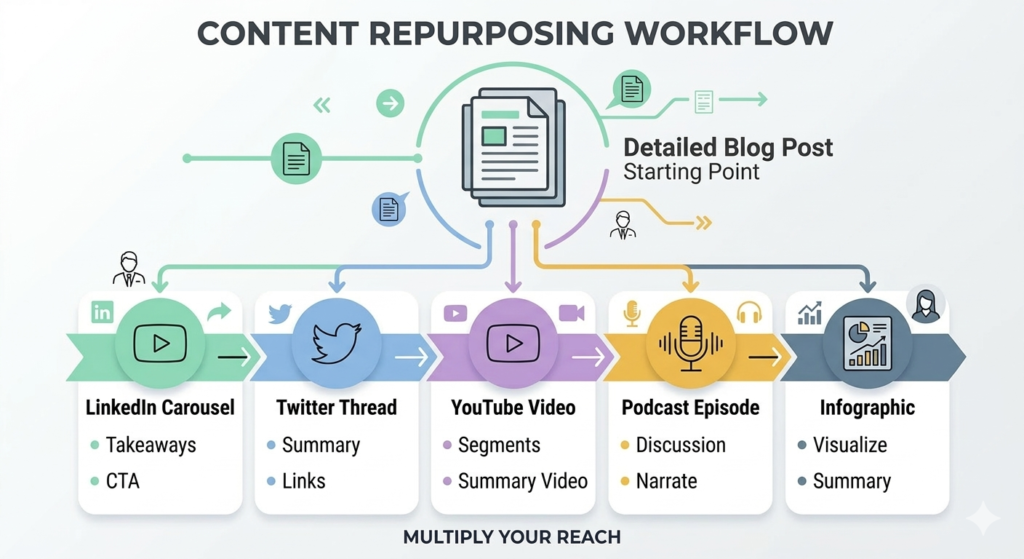
Repurposing ideas for a single blog post:
- Break it into a LinkedIn carousel (one insight per slide).
- Record a short video walking through the key points for YouTube or Instagram Reels.
- Turn the data or key takeaways into an infographic.
- Use the main points as a Twitter/X thread.
- Expand it into a podcast episode or a guest podcast talking point.
- Compile several related posts into a downloadable guide or PDF.
- Pitch the core argument as a guest post on an industry publication.
| In 2026, repurposing is more efficient than ever. AI tools can help you draft a Twitter thread from a blog post, generate a LinkedIn summary, or script a video outline in minutes. The human layer is adding judgment, personality, and accuracy. Use AI to do the mechanical work; you add the voice. |
Repurposing doesn’t just multiply reach. It creates multiple entry points for the same content. Someone who ignores a blog post might watch the video, share the infographic, or read the LinkedIn carousel and then visit your site.
14. Double Down on Successful Channels
Lastly, identify which content promotion strategies or platforms are delivering the best results and focus your efforts on maximising their potential.
Here’s a checklist to help you track progress and stay organised:
- Create your goals list:
What are you trying to achieve with each channel? Is it increased website traffic, more email subscribers, or higher social media engagement? Define your goals (one metric per channel) so that you can measure success.
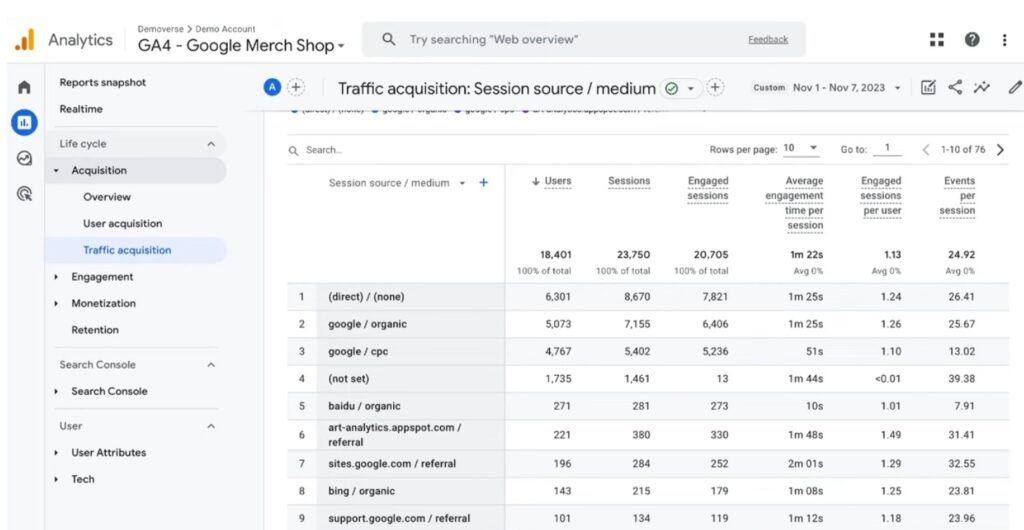
- Use analytics and tracking tools:
Use tools like Google Analytics, social media insights, and email marketing analytics to gather data on how each promotion channel is performing. Pay attention to metrics like website traffic, conversion rates, click-through rates, bounce rates and engagement levels. It’s essential to know which channels are not only bringing in visitors but also converting them into loyal readers or customers.
- A/B test subject lines, post formats and CTAs:
Conduct A/B tests on various aspects of your content promotion, such as different headlines, formats, visuals, CTAs or posting schedules. Analyse the results to determine which variations are most effective.
- Cost analysis:
Calculate the costs associated with each promotion channel and any tools or resources you use (even the free ones still cost you some time). Compare these costs to the returns you’re getting to determine which channels offer the best return on investment (ROI).
- Build a content calendar:
Organise your promotion efforts by creating a calendar that outlines the content to be shared on each channel, along with ways to promote content and timelines. This ensures consistency and helps you stay organised.
The goal isn’t to be everywhere. It’s to be effective somewhere. Start with two or three channels, master them, then expand. Spreading thin across ten platforms and doing none of them well is one of the most common content promotion mistakes we see.
10 Common Mistakes to Avoid in Content Promotion
Now, let’s switch gears and talk about what NOT to do when promoting your content. These are the pitfalls you’ll want to avoid to ensure your promotion efforts pay off.
- Excessive self-promotion:
Nobody likes a braggart. Don’t flood your channels with self-promotion; it can turn off your audience. Balance is key. Share valuable content from others, engage in meaningful conversations, and occasionally sprinkle in your own work.
- Ignoring your audience:
Your audience is your lifeline. Don’t disregard comments, messages, or feedback, even if it’s negative. Responding shows that you value their input and are committed to improving.
- Spamming hashtags on social media:
People are often tempted to load their social media posts with hashtags. While it’s true that more hashtags could mean more slots for your post on search results, be careful not to overdo it. Stuffing your posts with irrelevant or excessive hashtags can make you look spammy. Keep it relevant, moderate, and meaningful.
- Spamming communities with links:
This is the fastest way to get banned from a forum or group. Earn your right to share by contributing first.
- Overly long post captions:
True, you might want your caption to sound as loaded as possible. But be careful because long captions tend to overwhelm or bore readers. Short and sweet is often more effective. Keep it concise and captivating.
- Misleading headlines:
Clickbait might attract initial attention, but it can damage your credibility in the long run. And it will also lead to a decline in your time-on-page metrics – a direct signal to Google that your content didn’t deliver. So, don’t use misleading headlines and make sure to deliver on the promise your headline makes.
- Ignoring different platforms:
It’s true that you need to choose a few of the most productive platforms to focus on. But it’s also prudent to try out the outliers every once in a while. Who knows, on the next try, you might finally crack the code of engagement on that platform.
- One-size-fits-all social posts:
Avoid using a one-size-fits-all approach for all platforms. Don’t treat them all the same way. That just doesn’t work. A LinkedIn caption and a Tweet are different things for different audiences. You need to tailor your content (tone, length, hook, format) and promotion strategy to suit each platform’s audience and culture.
- Ignoring your existing audience:
Before chasing new readers, ask whether your current subscribers and followers have seen your latest content. Warm audiences convert better and require far less effort than cold ones.
- Neglecting older content:
A post published two years ago can still rank, convert, and be promoted, especially after a refresh. Don’t ignore your back catalogue.
Also Read : 5 Common Content Marketing Mistakes to Avoid
Content Promotion Strategy: How to Build Yours
Before your next piece of content goes live, answer these five questions:
- Who is this content for, specifically? (Not “marketers.” Which marketers, at which stage, with which problem?)
- Where do those people spend time online? (Which platforms, communities, and publications?)
- Who are the 5–10 people or brands I should reach out to directly? (Sources cited, influencers in the space, community moderators)
- What formats will I repurpose this into? (Video, infographic, email, social posts)
- How will I measure success in 30 days? (Traffic, backlinks, email clicks, social shares)
Answering these before you publish turns promotion from a scramble into a system.
Quick Content Promotion Checklist
With so many promotion channels available, it helps to have a repeatable system. Here’s a simple checklist you can follow every time you publish a new piece of content:
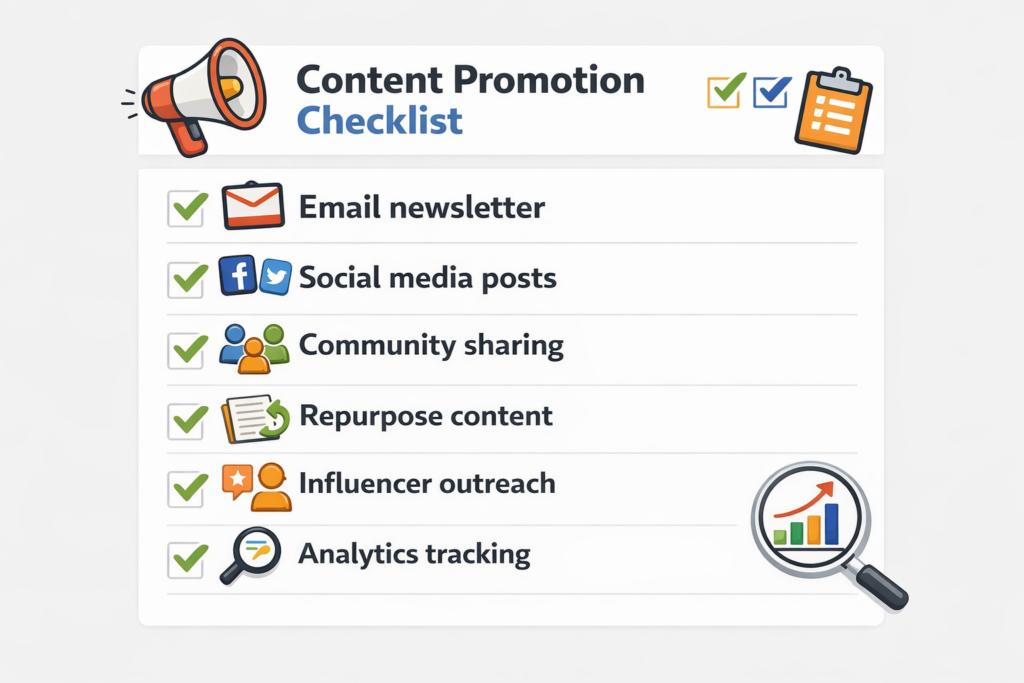
After publishing:
- Send the article to your email newsletter
- Trigger your push notification
- Share it on your main social media channels
Within the first week:
- Post it in relevant communities (LinkedIn groups, Reddit, niche forums)
- Notify sources or influencers mentioned in the article
- Add internal links from older posts
Ongoing:
- Repurpose the content into new formats (video, carousel, infographic)
- Reshare the article on social media with different angles
- Track performance in analytics and double down on what works
Final Thoughts
Publishing great content is the entry ticket, not the finish line. The brands and bloggers who consistently win in content marketing are the ones who treat promotion as seriously as creation.
Use the 14 strategies above as your content promotion playbook. You don’t need to do all of them at once. Start with the channels closest to your existing audience (email, social, communities) and layer in the rest as your capacity grows.
The Justwords team has content strategists ready to help you build a promotion strategy that actually drives results. Contact us today – we’ll be your partner.
Found this useful? Share it with a marketer who’s still waiting for the traffic to roll in on its own.
Further Reading: How to Win at SEO in 2026: Future‑Proofing Your Strategy
FAQs
Promoting content effectively requires using multiple channels to get your content in front of the right audience. Start with owned media like your email list, website, and social media channels. Then expand reach through SEO optimisation, backlink building, online communities like Reddit, influencer marketing, and content repurposing. The most effective content promotion strategies combine organic promotion and paid advertising to drive consistent traffic.
Content promotion should continue long after publication. Most successful blog posts are promoted repeatedly over weeks or months through social media, email campaigns, content repurposing, and backlink outreach.
You can safely promote the same piece of content multiple times across different platforms and formats. Use different angles, visuals, or insights each time to keep it fresh and avoid repetition.
Promoting content on Reddit requires a community-first approach. Instead of posting links immediately, spend time participating in relevant subreddits, answering questions, and sharing helpful insights. Once you’ve built credibility, you can include links to relevant content when it genuinely helps the discussion. Authentic participation in online communities can drive high-quality traffic and engagement.
To promote content on LinkedIn, share your article as a short insight-driven post rather than just a link. Highlight one key takeaway, statistic, or question to spark conversation. You can also increase reach by posting LinkedIn carousels, engaging in comments, tagging relevant people, and participating in industry groups. LinkedIn works best for B2B content, professional insights, and thought leadership.
Instagram promotes content through its algorithm based on engagement, consistency, and relevance. To increase reach, focus on high-quality visuals, short-form video (Reels), and engaging captions. Use relevant hashtags, post consistently, and encourage interactions through comments and shares. Repurposing blog posts into infographics, carousels, or short videos can help your content perform well on Instagram.